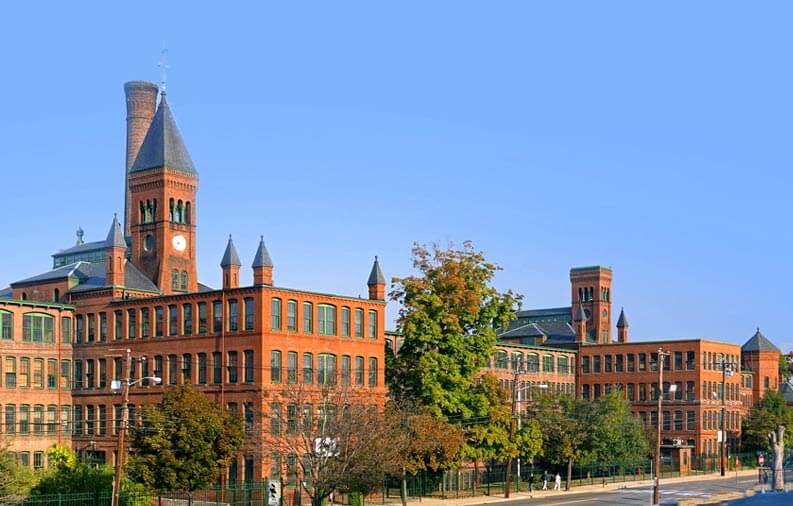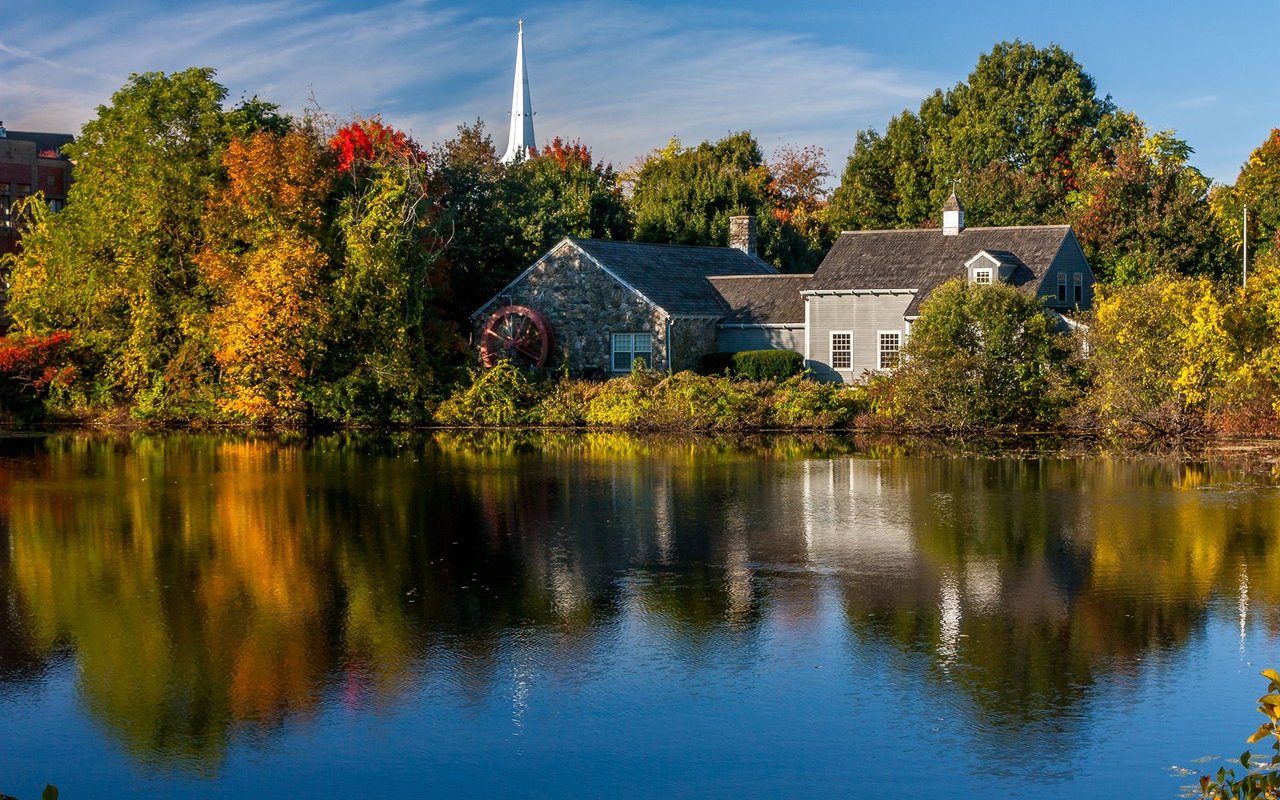
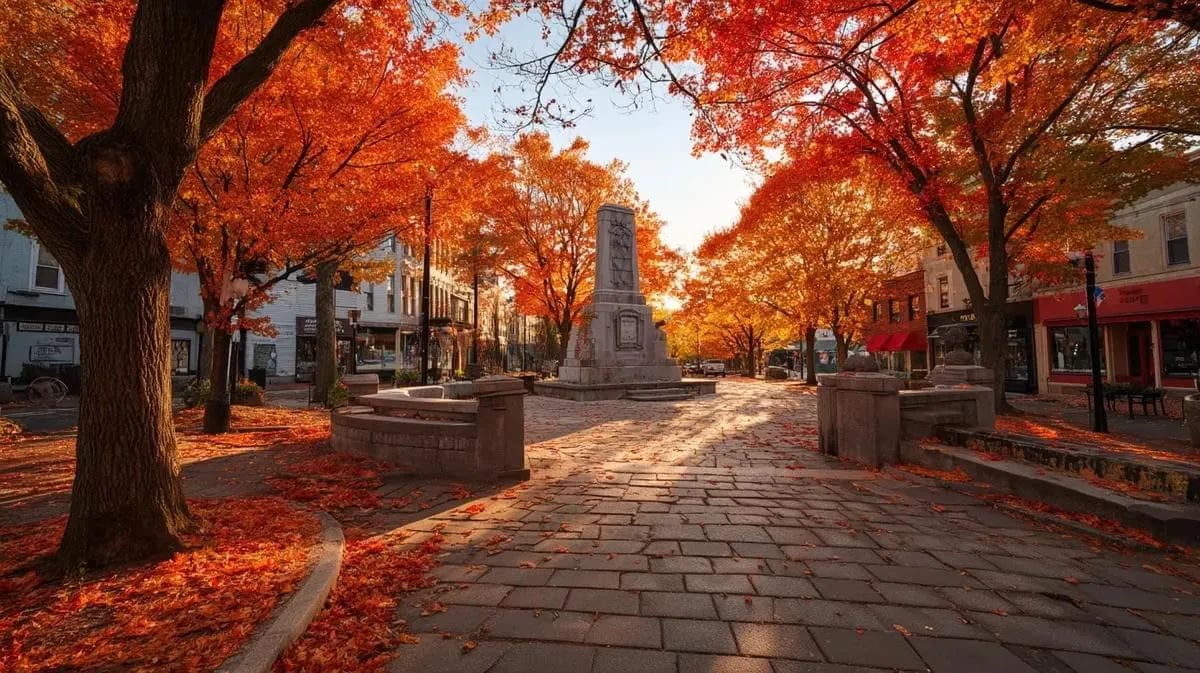
Watertown, Massachusetts is a sought-after, historic community located just six miles west of downtown Boston along the banks of the Charles River. Known for its cultural diversity, walkable neighborhoods, and thriving local economy, Watertown offers the perfect blend of city access and suburban comfort. With scenic parks, excellent schools, and a revitalized riverfront, this close-knit community continues to attract professionals and families seeking convenience, character, and connection in Greater Boston.
Located in Middlesex County just six miles west of downtown Boston, Watertown is a dynamic, close-knit community that blends urban accessibility with a welcoming small-town feel. Bordered by Belmont, Newton, Waltham, and Boston, the city’s central location and strong civic identity make it one of the most desirable destinations in the Greater Boston area.
Founded in 1630 — one of the earliest Massachusetts Bay Colony settlements — Watertown has a long and proud history woven into the fabric of the region. Today, it thrives as a modern, diverse city known for its excellent schools, expanding riverfront, and growing mix of residential, commercial, and cultural life.
Watertown’s neighborhoods — from East Watertown to the West End — each bring their own charm and accessibility. The revitalized Arsenal Yards development has transformed the historic Arsenal complex into a vibrant hub of restaurants, shops, residences, and green space, while the Watertown Square area remains a focal point for civic life and community events.
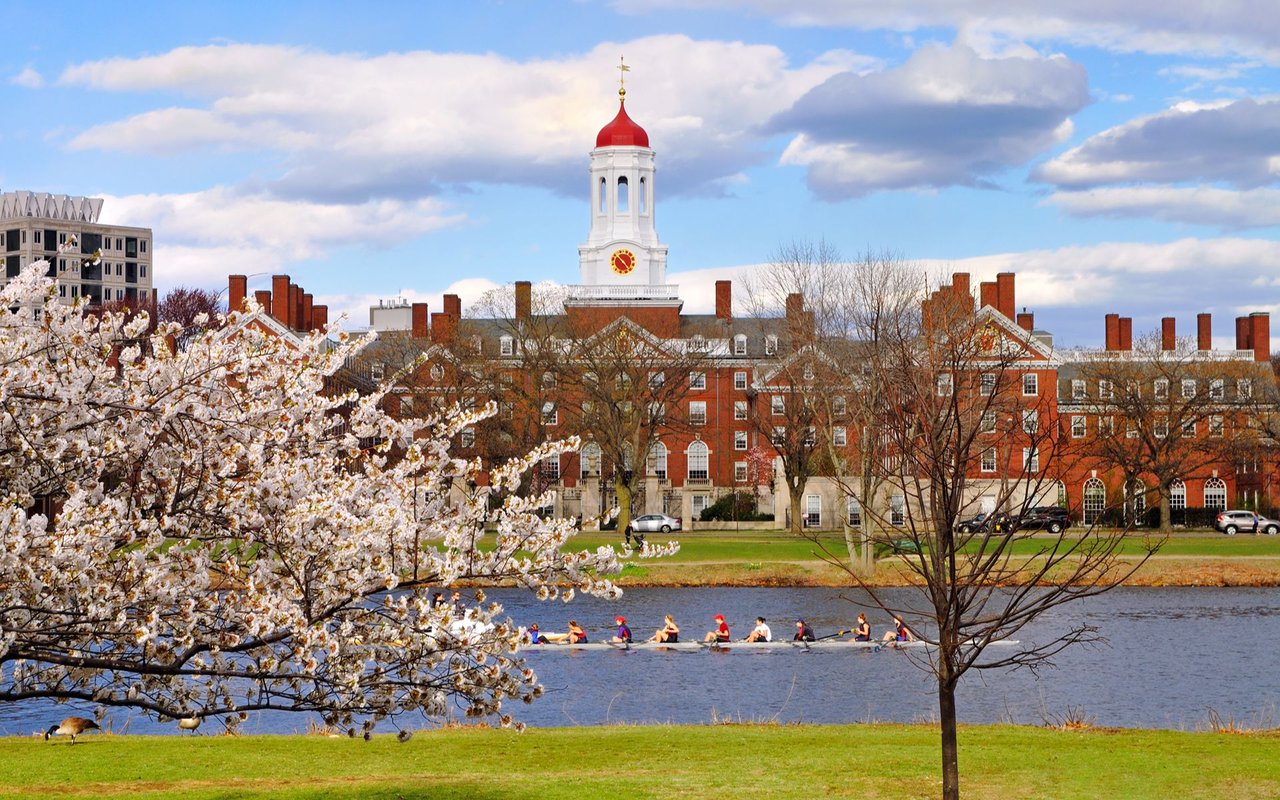
The Charles River is central to Watertown’s identity, offering scenic trails, parks, and rowing opportunities that connect the community to Boston and Cambridge. The Watertown Greenway, Arsenal Park, and Filippello Park are popular gathering spots for recreation and outdoor enjoyment.
Watertown is also recognized for its rich cultural diversity, particularly its deep Armenian-American heritage, which is celebrated through local businesses, community centers, and the Armenian Museum of America.
With easy access to the Mass Pike (I-90), Storrow Drive, and multiple MBTA bus routes connecting to Harvard Square, Kenmore, and downtown Boston, Watertown offers both convenience and comfort. Its blend of history, innovation, and community spirit continues to make it one of Greater Boston’s most livable and well-connected places to call home.
Incorporated: 1630 (as one of the first Massachusetts Bay Colony settlements)
Area: 4.1 square miles
Population (2020 Census): 35,954
FY2025 Residential Tax Rate: $11.16 per $1,000 of assessed value
35,317 people live in Watertown, where the median age is 38.8 and the average individual income is $72,808. Data provided by the U.S. Census Bureau.
Total Population
Median Age
Population Density Population Density This is the number of people per square mile in a neighborhood.
Average individual Income
There's plenty to do around Watertown, including shopping, dining, nightlife, parks, and more. Data provided by Walk Score and Yelp.
Explore popular things to do in the area, including Watertown Greenway Linear Park, Jaro Michael Psychothrpst, and Communities United.
| Name | Category | Distance | Reviews |
Ratings by
Yelp
|
|---|---|---|---|---|
| Active | 0.49 miles | 0 reviews | 0/5 stars | |
| Active | 0.56 miles | 0 reviews | 0/5 stars | |
| Active | 0.65 miles | 0 reviews | 0/5 stars | |
| Active | 0.78 miles | 0 reviews | 0/5 stars | |
| Active | 0.78 miles | 0 reviews | 0/5 stars | |
| Active | 0.78 miles | 0 reviews | 0/5 stars | |
| Active | 1.03 miles | 0 reviews | 0/5 stars | |
| Beauty | 0.36 miles | 2 reviews | 5/5 stars | |
| Beauty | 0.36 miles | 0 reviews | 0/5 stars | |
| Beauty | 0.84 miles | 0 reviews | 0/5 stars | |
|
|
||||
|
|
||||
|
|
||||
|
|
||||
|
|
||||
|
|
Watertown has 16,220 households, with an average household size of 2.16. Data provided by the U.S. Census Bureau. Here’s what the people living in Watertown do for work — and how long it takes them to get there. Data provided by the U.S. Census Bureau. 35,317 people call Watertown home. The population density is 8,763 and the largest age group is Data provided by the U.S. Census Bureau.
Total Population
Population Density Population Density This is the number of people per square mile in a neighborhood.
Median Age
Men vs Women
Population by Age Group
0-9 Years
10-17 Years
18-24 Years
25-64 Years
65-74 Years
75+ Years
Education Level
Total Households
Average Household Size
Average individual Income
Households with Children
With Children:
Without Children:
Marital Status
Blue vs White Collar Workers
Blue Collar:
White Collar:
Real estate can feel overwhelming, but you don’t have to do it alone. Joanne brings market knowledge, hands-on support, and a responsive approach that ensures every question is answered and every step is clear. From staging and pricing to negotiating and closing, she works tirelessly to achieve your goals and make the process as smooth as possible.