

March 10, 2026
Part of the Seller Strategy Series
In conversations with homeowners who are considering a move — or sometimes just chatting about the market — I’m often asked the same question:
“Joanne, what do you think my home might sell for?”
In towns like Belmont, Arlington, Lexington, Winchester, Somerville, and Watertown, the answer isn’t always obvious. Two homes on the same street can sell hundreds of thousands of dollars apart depending on condition, timing, and buyer demand.
Online estimates can provide a starting point, but they rarely tell the full story. Understanding a home’s true value requires a closer look at several factors that automated tools simply can’t fully evaluate.
Many homeowners visit websites like Zillow or Redfin to see what their home is "worth". I also offer a home value estimator on my website — feel free to try it by entering your address. It’s free and often an interesting first step. But be cautious!
While these estimates can provide a useful reference — and they’re worth checking, since many buyers look at them too — they rarely capture the full picture. Automated models simply can’t evaluate many of the details that significantly influence how buyers perceive and value a home.
For example, algorithms cannot evaluate:
• Interior condition
• Quality of renovations
• Floor plan or layout
• Natural light and architectural detial
• Curb appeal and presence
• Proximity to busy roads or commercial activity
• Neighborhood noise or distressed neighboring properties
• Deferred maintenance
Two homes that appear similar on paper may sell very differently once buyers walk through the door.
In markets like Belmont, Arlington, and Lexington — where buyers pay close attention to condition, presence, and the overall feel of a property — these nuances matter.
Even within a single community, buyer demand can vary meaningfully from one neighborhood to another.
Buyers often evaluate factors such as:
• walkability to Belmont Center, Arlington Center, or Lexington Center
• proximity to commuter rail, bus routes, and major commuting corridors
• access to parks, schools, and neighborhood amenities
• quiet residential streets versus busier roads
These subtle differences frequently influence both buyer interest and final sale price.
Buyers today pay close attention to the condition of a home.
Properties that feel well maintained and move-in ready tend to attract stronger interest and more competitive offers.
Buyers typically focus on:
• kitchens and bathrooms
• roof condition
• heating, cooling, and electrical systems
• windows and insulation
• overall evidence of thoughtful maintenance
This does not mean every home needs a full renovation before selling. Often, thoughtful preparation and strategic improvements can make a meaningful difference.
In many of our local communities, lot characteristics can play an important role in value.
Builders and buyers frequently consider:
• frontage and lot width
• zoning regulations
• expansion or redevelopment potential
• overall lot usability
Even modest differences in lot size, configuration, or zoning can significantly influence what buyers are willing to pay.
Home values are not determined only by past sales.
They are shaped by today’s buyer demand.
A home that might have sold for one price last year could attract very different interest depending on:
• the number of buyers actively searching
• mortgage rate conditions
• seasonal timing in the market
• the number of competing homes for sale
Understanding this current market dynamic is one of the most important parts of pricing a home well.
One of the most important things sellers discover is that a home’s value is not simply a number — it’s also a strategy.
Pricing too high can reduce early interest and slow momentum.
Pricing thoughtfully can create competition among buyers, sometimes leading to stronger offers and better terms.
This is why thoughtful pricing strategy plays such a central role in a successful sale.
(I’ll explore this topic more deeply in another post in this Seller Strategy Series.)
Pricing a home correctly is one of the most important decisions a seller will make — and it’s often where expectations and market reality diverge.
Even small misjudgments in value or pricing strategy can have meaningful financial consequences. An experienced real estate advisor interprets the data, evaluates the property through the lens of current buyer demand, and guides a seller toward a pricing strategy that positions the home to attract strong interest and competitive offers.
If you’re curious what your home might sell for in today’s market, I’d be happy to prepare a thoughtful opinion of value.
Please feel free to reach out to schedule a complimentary, no-obligation consultation.
These thoughts are my own, Joanne Domeniconi
Stay up to date on the latest real estate trends.

July 27, 2026
The value of your home isn't fixed. It's influenced by the way it's brought to market.
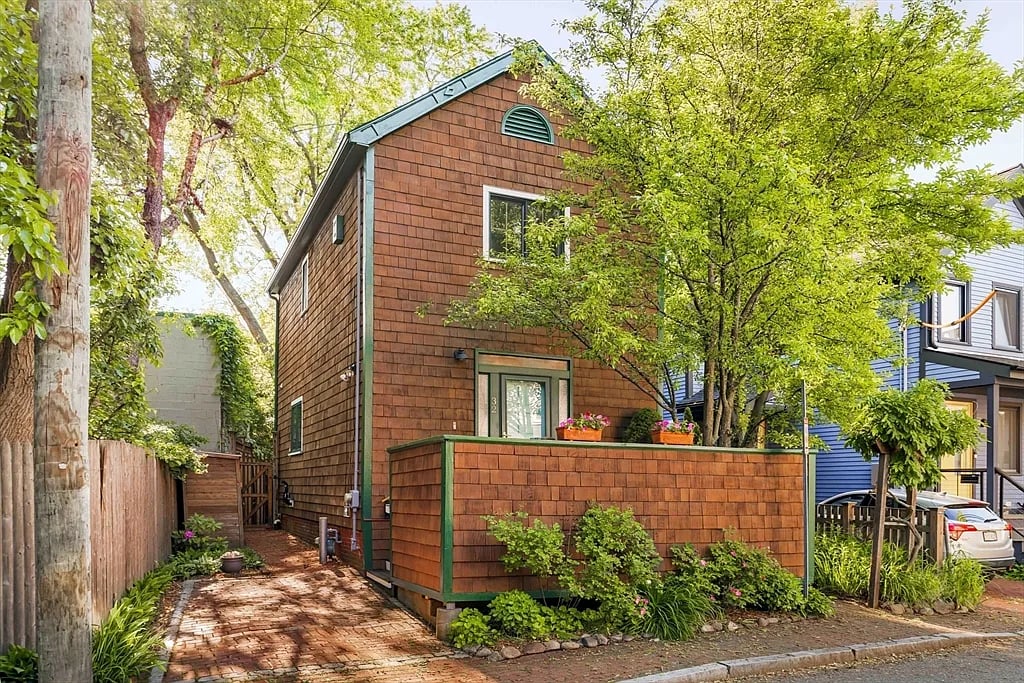
July 17, 2026
How a year-long condo search led first-time buyers to the Cambridge home they didn't think was possible.
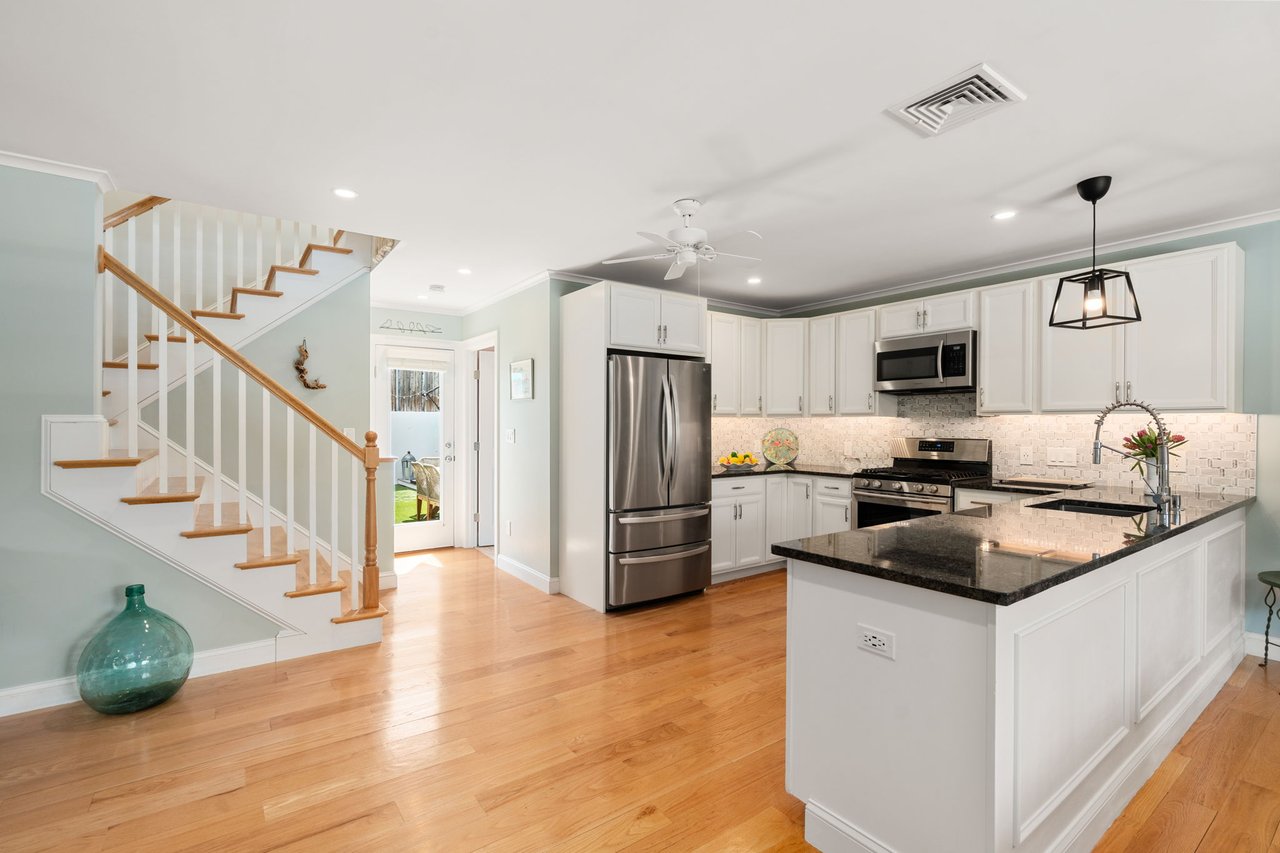
May 13, 2026
38 Hibbert Street Arlington MA 02474
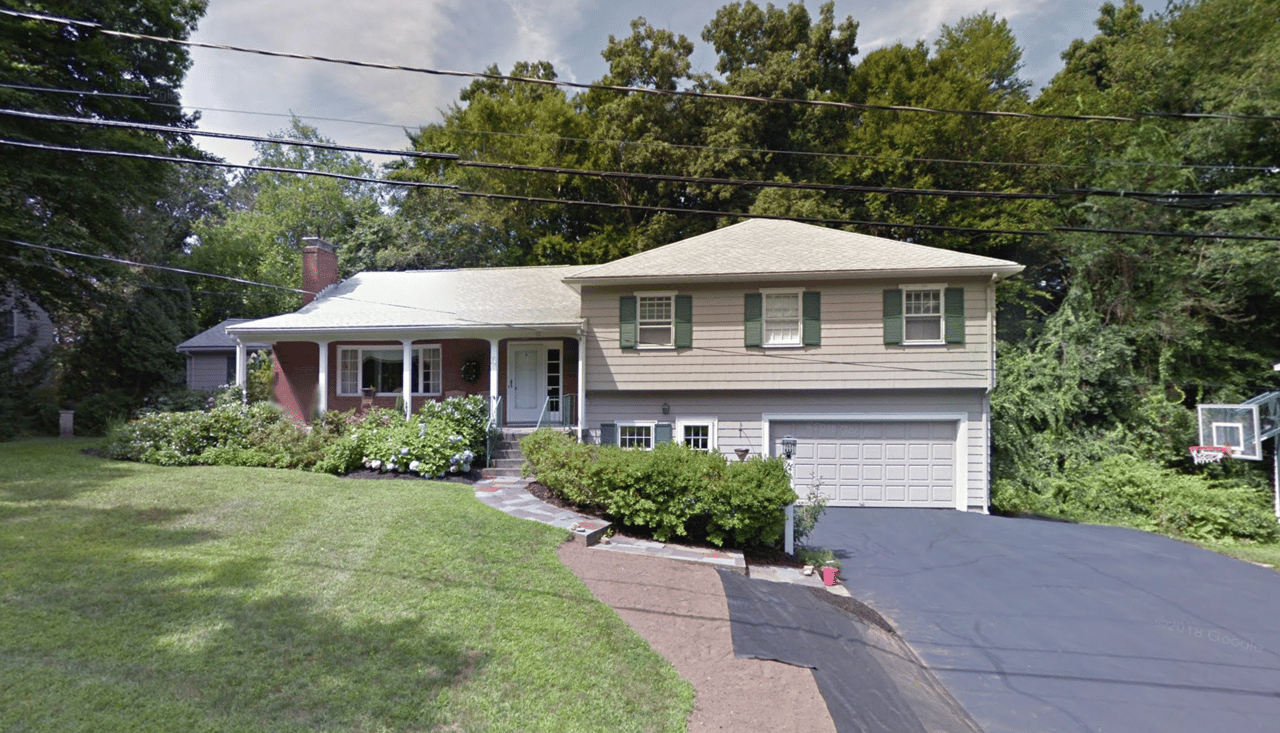
April 9, 2026
12 Linmoor Terrace, Lexington

March 31, 2026
How strategic pricing positions your home to capture attention, create competition, and outperform the market
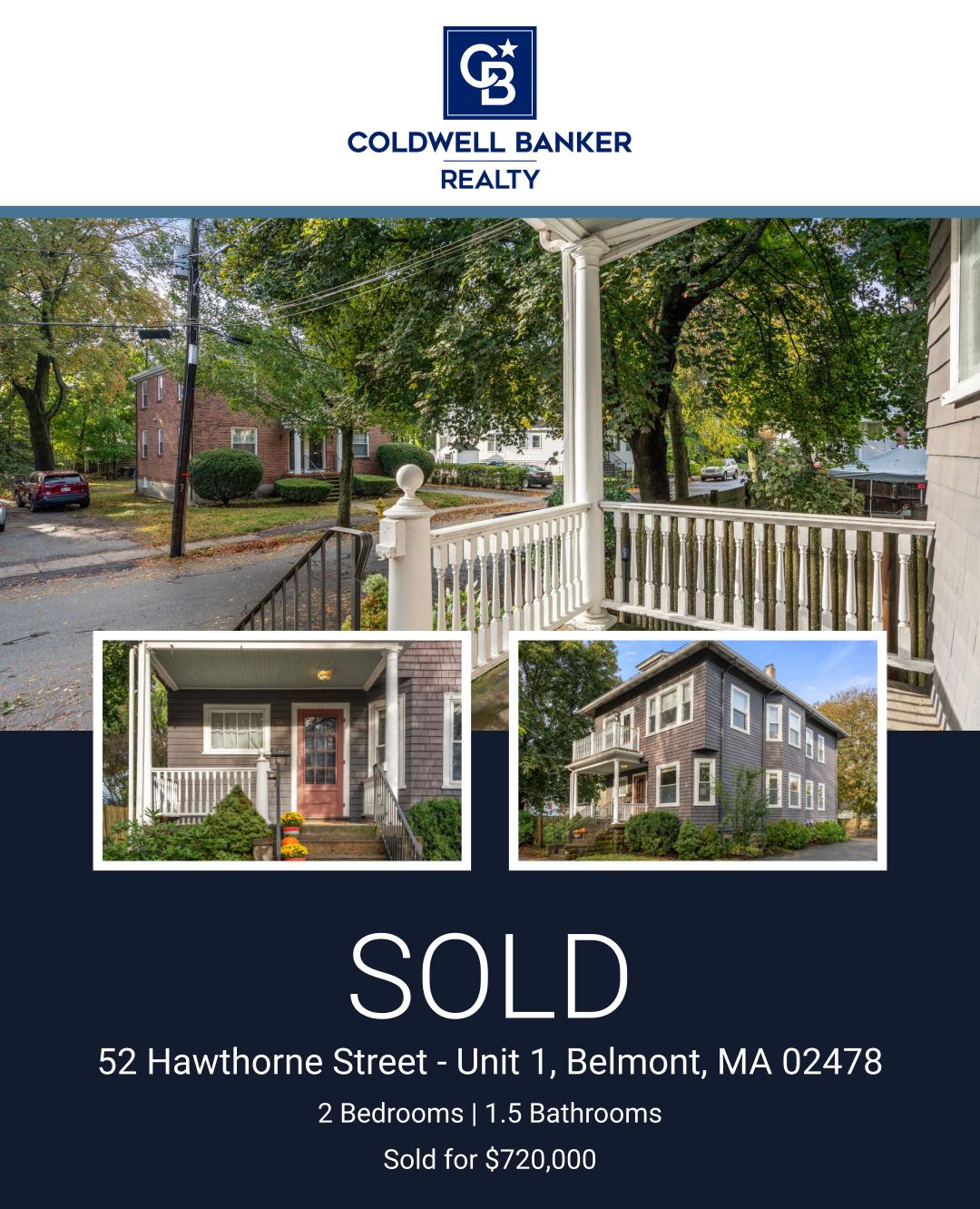
March 31, 2026
52 Hawthorne Street, Belmont
March 10, 2026
What Online Home Value Tools can't Measure

March 8, 2026
When It Makes Sense — and When It Doesn’t

March 3, 2026
Real estate can feel overwhelming, but you don’t have to do it alone. Joanne brings market knowledge, hands-on support, and a responsive approach that ensures every question is answered and every step is clear. From staging and pricing to negotiating and closing, she works tirelessly to achieve your goals and make the process as smooth as possible.